Table Of Contents
- What Is a Junction Box and Why Does It Matter?
- Canless LED Recessed Lights: The Integrated Junction Box Solution
- Benefits of Built-In Junction Boxes for Installation
- Code Compliance and Safety Considerations
- Which Amico LED Recessed Lights Include Integrated Junction Boxes?
- Installation Comparison: Integrated vs. Separate Junction Boxes
- Wiring Multiple Fixtures with Built-In Junction Boxes
- Choosing the Right Fixture for Your Project
When planning a recessed lighting installation, one question often determines how smooth the process will be: does the fixture come with a built-in junction box, or will you need to install one separately? For decades, traditional recessed lighting required installing a separate recessed housing can with its own junction box, adding time, complexity, and additional materials to every project. Today's canless LED recessed lights have revolutionized this process by integrating the junction box directly into the fixture design.
This integrated approach eliminates the need for separate housing cans, reduces installation time significantly, and simplifies electrical connections while maintaining full code compliance. Whether you're a homeowner tackling a DIY lighting upgrade or a contractor managing multiple installations, understanding which LED recessed lights include built-in junction boxes can save you hours of work and potential headaches. In this guide, we'll explore the different types of recessed lighting with integrated junction boxes, explain the installation advantages they offer, and help you identify the best options for residential, commercial, and industrial applications.
What Is a Junction Box and Why Does It Matter?
A junction box serves as the electrical connection point where your home's wiring meets the light fixture. This enclosure protects wire connections from physical damage, contains sparks or heat in case of electrical faults, and provides a code-compliant housing for electrical connections. Every permanent light fixture requires a junction box, whether it's integrated into the fixture design or installed separately. The National Electrical Code (NEC) mandates junction boxes for all fixed lighting installations to ensure fire safety and protect against electrical hazards.
In traditional recessed lighting installations, the junction box is typically part of the recessed housing can that gets installed between ceiling joists. An electrician must first secure the housing can to the framing, connect the electrical wiring to the junction box, then later install the trim and bulb or LED module. This multi-step process requires accessing the ceiling cavity from above, careful positioning of the housing can, and coordination between rough-in electrical work and finish carpentry. For remodel situations where ceiling access is limited, this approach becomes even more challenging and time-consuming.
Modern canless LED recessed lights simplify this entire process by incorporating the junction box directly into the fixture body. These integrated designs eliminate the separate housing can entirely, reducing the number of components from three or four pieces down to a single unit. The result is faster installation, fewer potential failure points, and a cleaner ceiling appearance without visible trim rings or gaps. Understanding this fundamental difference helps explain why canless LED fixtures with built-in junction boxes have become the preferred choice for new construction and remodel projects alike.
Canless LED Recessed Lights: The Integrated Junction Box Solution
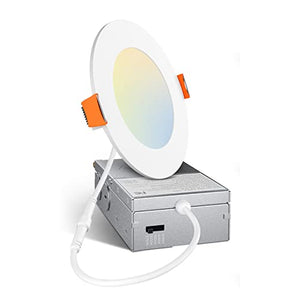
Canless LED recessed lighting represents the most significant innovation in recessed lighting design in decades. Unlike traditional systems that require separate housing cans, canless fixtures combine the junction box, LED driver, heat sink, and trim into a single integrated unit. This all-in-one design mounts directly to your ceiling from below through a simple cutout, with the built-in junction box accepting your electrical connections right at the fixture. The entire installation can be completed from the room side of the ceiling, making them ideal for remodel situations where attic or above-ceiling access is limited or impossible.
The integrated junction box in canless fixtures is specifically engineered to meet electrical code requirements while maintaining the fixture's slim profile. These junction boxes are typically rated for direct ceiling mounting and include multiple wire entry points to accommodate different wiring configurations. The electrical connections happen inside the fixture housing using push-in wire connectors, which accept stripped wire ends and lock them in place without the need for twisting or additional hardware. This connection method proves more reliable than traditional alternatives and significantly speeds up the installation process.
Amico's recessed lighting collection features canless designs with fully integrated junction boxes across multiple sizes and configurations. These fixtures eliminate the guesswork about compatible housings and junction boxes because everything you need is engineered as a complete system. The integrated approach also ensures optimal thermal management, as the junction box, LED driver, and heat dissipation components are designed to work together from the start. This results in fixtures that run cooler, last longer (50,000+ hours), and maintain consistent performance throughout their operational life.
How Integrated Junction Boxes Work in Canless Fixtures
The junction box in a canless LED fixture is typically located in the upper housing, directly adjacent to the LED driver and accessible through a removable cover or access panel. When you open this compartment, you'll find clearly labeled terminals or push-in wire connector ports for your line (hot), neutral, and ground connections. The fixture's internal wiring is already connected to the LED module and driver, so you're simply bringing your house wiring into the fixture's junction box and making three straightforward connections.
Most integrated junction boxes in quality canless fixtures include features that simplify installation and improve reliability:
- Multiple knockout entries: Allow wiring to enter from different directions based on your specific ceiling configuration
- Pre-installed push-in wire connectors: Eliminate the need to supply your own wire connectors and ensure compatible, code-compliant connections
- Clearly marked terminals: Color-coded or labeled connection points prevent wiring mistakes
- Strain relief provisions: Secure the incoming cable to prevent stress on electrical connections
- Adequate wire capacity: Sized to accommodate 14 or 12 AWG house wiring commonly used in lighting circuits
- Fire-rated construction: Materials and design that meet code requirements for ceiling-mounted electrical enclosures
This integration doesn't compromise safety or code compliance. The junction boxes in canless LED fixtures must meet the same UL or ETL/FCC certification standards as standalone junction boxes. Amico's LED fixtures are ETL & FCC certified, ensuring that every component, including the integrated junction box, meets rigorous safety and performance standards. The certification process verifies that the junction box can safely contain electrical connections, withstand normal installation stresses, and provide appropriate protection for the wire connections throughout the fixture's lifetime.
Benefits of Built-In Junction Boxes for Installation
The advantages of built-in junction boxes extend far beyond simple convenience. For professional electricians and contractors, these integrated designs can reduce installation time by 50% or more compared to traditional recessed lighting systems. Instead of spending time positioning and securing a separate housing can, running wire to that housing, making connections, and then returning later to install trim and lamp components, the entire process consolidates into a single installation step. This time savings translates directly to labor cost reductions on projects with multiple fixtures.
For DIY homeowners, built-in junction boxes make recessed lighting installations accessible without requiring extensive electrical experience. The simplified process reduces the number of steps where mistakes can occur and eliminates the need for specialized tools or techniques. The straightforward nature of connecting three wires using push-in connectors means that a careful homeowner can achieve professional-quality results. This accessibility has opened up lighting upgrades to a much broader audience, allowing more people to improve their homes without hiring contractors for relatively simple projects.
The physical advantages are equally significant. Traditional recessed housing cans require substantial clearance above the ceiling (typically 6-8 inches depending on the fixture size), which can be problematic in spaces with shallow ceiling cavities, ductwork, or structural obstructions. Canless fixtures with integrated junction boxes need only 2-4 inches of clearance, making them compatible with nearly any ceiling construction. This shallow profile also minimizes the impact on insulation in energy-efficient homes, as less insulation needs to be displaced to accommodate the fixture.
Key installation benefits include:
- Single-step installation: Complete the entire fixture installation in one visit without coordinating rough-in and finish stages
- Room-side access: No need to access the attic or above-ceiling space, perfect for finished ceilings and remodel work
- Minimal clearance requirements: Fits in ceiling cavities with as little as 2 inches of clearance
- Reduced material costs: No separate housing cans, mounting hardware, or additional junction boxes to purchase
- Tool-free wire connections: Push-in wire connectors eliminate the need for pliers, wire strippers beyond basic prep, and wire connector supplies
- Consistent electrical connections: Factory-integrated components ensure proper conductor sizing and connection methods
- Easier troubleshooting: Fewer separate components mean fewer potential failure points and simpler diagnostics if issues arise
Code Compliance and Safety Considerations
When evaluating LED recessed lights with built-in junction boxes, code compliance should be a primary consideration. The National Electrical Code establishes specific requirements for junction boxes and electrical connections, and integrated fixtures must meet these same standards. Properly certified fixtures with integrated junction boxes are explicitly designed and tested to meet NEC requirements, ensuring that your installation will pass electrical inspections and maintain insurance coverage in case of incidents.
The most critical code considerations for integrated junction boxes include proper sizing for wire capacity, adequate strain relief for incoming cables, accessibility for future maintenance, and appropriate materials that won't support combustion. Quality fixtures incorporate all these elements into their integrated design. The junction box must be large enough to accommodate the wire connections without crowding, which could lead to insulation damage or connection failures. Canless fixtures typically include junction boxes sized appropriately for the fixture's electrical requirements and the common house wiring gauges (14 AWG for 15-amp circuits, 12 AWG for 20-amp circuits).
Another important code consideration is the temperature rating of the junction box and its components. LED fixtures generate heat during operation, and the junction box must be rated to safely operate at the temperatures present during normal fixture operation. Integrated junction boxes in quality LED fixtures include thermal management features that prevent excessive heat buildup in the electrical compartment. This is one area where Amico's engineering shows clear advantages—their fixtures are designed as complete thermal systems where the heat sink, driver, and junction box work together to maintain safe operating temperatures throughout the 50,000+ hour lifespan.
For installations in insulated ceilings, IC (Insulation Contact) rating becomes crucial. Traditional recessed lighting often requires maintaining clearance from insulation to prevent overheating, creating thermal weak points in your home's envelope. Modern canless LED fixtures with integrated junction boxes are typically IC-rated, meaning they can be safely covered with insulation without fire risk or performance degradation. This rating should be clearly marked on the fixture and verified before installation in insulated ceiling applications. Amico's canless LED fixtures are designed for IC applications, allowing for energy-efficient installations that don't compromise your home's thermal performance.
Which Amico LED Recessed Lights Include Integrated Junction Boxes?
Amico's canless LED recessed lighting lineup features integrated junction boxes across their entire range of sizes and styles. These fixtures are specifically engineered as complete lighting solutions where the junction box, driver, LED module, and trim function as a single optimized system. This integrated approach ensures compatibility, simplifies installation, and delivers consistent performance across residential, commercial, and industrial applications.
The 4-inch canless LED recessed lighting collection offers compact fixtures ideal for hallways, closets, and spaces where a smaller lighting footprint is preferred. Despite their compact size, these fixtures include full-featured integrated junction boxes with push-in wire connectors and multiple entry points. The 4-inch canless design provides excellent light output while requiring minimal ceiling clearance, making them perfect for installations where space is at a premium or where existing shallow ceiling cavities limit traditional fixture options.
For more substantial lighting needs, 6-inch recessed LED lighting provides higher lumen output and broader coverage area while maintaining the same integrated junction box convenience. These fixtures are the workhorse of residential and commercial installations, providing general illumination for living spaces, kitchens, offices, and retail environments. The larger size accommodates more robust thermal management, allowing for higher-wattage LED modules while maintaining safe operating temperatures in the junction box compartment.
Amico also offers specialized configurations that include integrated junction boxes for specific applications. Their gimbal recessed lights provide adjustable directional lighting while maintaining the simplified installation of integrated junction boxes. These fixtures are particularly valuable for accent lighting, artwork illumination, or anywhere you need to direct light at an angle rather than straight down. The gimbal mechanism doesn't complicate the electrical connection—the junction box remains easily accessible and uses the same push-in wire connector system as standard canless fixtures.
Shared Features Across Amico's Integrated Junction Box Fixtures
Regardless of size or style, Amico's canless LED fixtures with integrated junction boxes share common features that ensure consistent installation quality and long-term performance. All fixtures utilize push-in wire connectors that accept stripped wire ends and lock them securely in place—no twisting required. This connection method proves more reliable than traditional alternatives and significantly reduces installation time, especially when wiring multiple fixtures on a single circuit.
The fixtures feature ETL & FCC certification, confirming that the integrated junction boxes and all electrical components meet rigorous safety and performance standards. This certification provides peace of mind that your installation complies with electrical codes and will pass inspection. Amico backs these products with comprehensive warranties (2-5 years depending on the specific product line) and a 30-day hassle-free return policy, demonstrating confidence in the quality and longevity of their integrated designs.
All Amico canless fixtures are designed with a 50,000+ hour operational lifespan, enabled by the efficient thermal management of their integrated design. The junction box placement and ventilation work in concert with the LED driver and heat sink to maintain optimal operating temperatures. This system-level design approach ensures that electrical connections in the junction box remain cool and secure throughout the fixture's lifetime, preventing the connection degradation that can occur in poorly designed fixtures where excess heat migrates into the electrical compartment.
Installation Comparison: Integrated vs. Separate Junction Boxes
Understanding the practical differences between integrated and separate junction box installations helps illustrate why canless LED fixtures have become the preferred choice for modern lighting projects. Traditional recessed lighting with separate junction boxes involves a multi-phase process that typically requires two or more separate visits to complete. During the rough-in phase, an electrician installs the recessed housing can between ceiling joists, secures it to the framing, and makes electrical connections in the housing's junction box. This work happens before drywall installation in new construction, or after cutting access holes in finished ceilings for remodel work.
After the ceiling is finished or patched, the electrician returns to install the trim ring and lamp or LED retrofit module. This requires ensuring that the rough-in housing is properly positioned and that the trim style selected is compatible with the housing model installed during rough-in. Incompatibilities between housings and trims from different manufacturers or product lines can necessitate additional trips to exchange components. The entire process creates multiple opportunities for coordination failures, installation errors, and time-consuming rework.
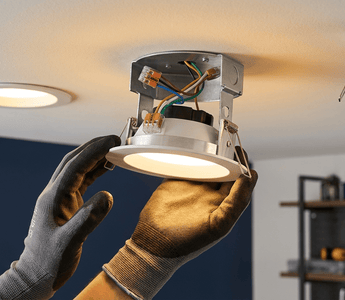
Canless LED fixtures with integrated junction boxes consolidate this entire process into a single installation step. After cutting the ceiling opening, you simply feed your electrical cable through the ceiling, make three wire connections in the fixture's integrated junction box using push-in connectors, insert the fixture into the ceiling opening, and secure it with the built-in spring clips. The entire installation takes 10-15 minutes per fixture, compared to 30-45 minutes for traditional two-stage installations. There's no coordination between rough-in and finish stages, no compatibility concerns between separate components, and no need for above-ceiling access.
The retrofit comparison is even more dramatic. Retrofit can lights were developed to simplify upgrading existing recessed lighting, but they still assume you have traditional housing cans already installed. Canless fixtures with integrated junction boxes can be installed in locations where no recessed lighting previously existed, opening up design possibilities that weren't practical with traditional systems. This flexibility allows you to add lighting exactly where you need it without the constraint of working with existing housing locations.
Wiring Multiple Fixtures with Built-In Junction Boxes
When installing multiple LED recessed lights on a single circuit, the integrated junction boxes simplify the wiring process considerably. The most common approach involves running a continuous cable from your electrical panel or switch box to each fixture location in sequence. At each fixture, you bring the incoming cable into the integrated junction box and also run a cable to the next fixture location. This creates a parallel connection where each fixture operates independently, and the failure of one fixture doesn't affect the others on the circuit.
The integrated junction boxes in Amico's canless fixtures include multiple wire entry points to accommodate this parallel wiring method. Typically, you'll find two or more knockouts that can be opened depending on where cables need to enter the fixture housing. For a fixture in the middle of a run, you'll use two entry points—one for the incoming power and one for the cable continuing to the next fixture. For the last fixture in the run, you'll only need one entry point for the incoming power cable.
Making connections for parallel wiring is straightforward with push-in wire connectors. Each connector typically includes multiple ports that accept the same conductor type (hot, neutral, or ground). For a fixture in the middle of a run, you insert three wires into each push-in connector: the incoming hot wire, the outgoing hot wire continuing to the next fixture, and the fixture's internal hot wire. The same process applies to the neutral and ground connections. The push-in connectors secure all three wires simultaneously, creating a reliable connection without any twisting or tape wrapping.
Circuit Capacity and Load Calculations
Before wiring multiple fixtures, you must verify that your circuit can handle the total load. Most residential lighting circuits are rated for 15 amps at 120 volts, providing 1,800 watts of capacity. However, the NEC requires maintaining a safety margin, so you should plan for no more than 80% of the circuit capacity—approximately 1,440 watts for a 15-amp circuit. LED recessed lights consume far less power than traditional incandescent fixtures, making it possible to install significantly more fixtures on a single circuit.
Typical 4-inch LED recessed lights consume 8-12 watts, while 6-inch fixtures use 12-18 watts depending on their lumen output. This means you could theoretically install 80-120 LED fixtures on a single 15-amp circuit based purely on wattage considerations. However, practical considerations like voltage drop over long wire runs and the physical limitations of junction box wire capacity usually limit installations to 20-30 fixtures per circuit in residential applications. Commercial installations may use 20-amp circuits and more robust wire gauges to support larger quantities of fixtures.
When planning circuits for commercial or industrial applications using Amico's industrial lighting products, consult with a licensed electrician to ensure proper circuit design, appropriate wire sizing, and code-compliant installation. While the integrated junction boxes simplify the physical installation process, proper electrical design remains essential for safe, reliable operation.
Choosing the Right Fixture for Your Project
Selecting LED recessed lights with integrated junction boxes involves considering several factors beyond just the convenience of simplified installation. The size of your space, ceiling height, desired light output, and color temperature all influence which fixtures will deliver optimal results. For residential applications, 4-inch fixtures work well in hallways, closets, and bathrooms, while 6-inch fixtures are better suited for living rooms, kitchens, and bedrooms where higher light output and broader coverage are desired.
Color temperature significantly impacts the ambiance and functionality of your lighting. Amico's LED fixtures offer various color temperature options, typically ranging from warm white (2700K-3000K) for cozy, residential spaces to daylight (5000K-6000K) for task-oriented commercial and industrial environments. The CRI 80+ rating ensures accurate color rendering across all options, making these fixtures suitable for applications where color accuracy matters, from residential kitchens to retail displays and commercial workspaces.
For projects requiring specialized lighting effects or functionality, consider fixtures beyond basic downlights. Amico's gimbal fixtures provide directional control while maintaining integrated junction box convenience, ideal for highlighting artwork, architectural features, or creating dramatic lighting effects. The ability to adjust the light direction after installation adds flexibility that fixed downlights can't match, making gimbal fixtures valuable for spaces where lighting needs may evolve over time.
Budget considerations should account for the total installed cost, not just the fixture price. While canless LED fixtures with integrated junction boxes may have slightly higher upfront costs compared to basic retrofit kits, the labor savings and eliminated component costs (no separate housings, junction boxes, or compatibility adapters needed) typically result in lower total project costs. For contractors managing multiple installations, the time savings multiply across projects, potentially allowing completion of more jobs in the same timeframe.
Bulk Purchasing for Commercial and Contractor Projects
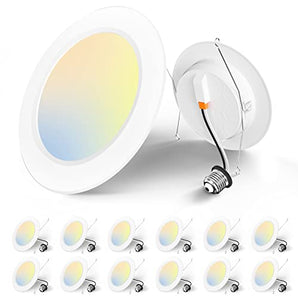
Contractors and businesses managing large-scale lighting installations can benefit from Amico's bulk sales program, which offers tiered volume discounts on orders of multiple fixtures. This program is specifically designed for professionals who need consistent product availability, predictable pricing, and the ability to order substantial quantities for commercial, industrial, or multi-unit residential projects. The combination of simplified installation through integrated junction boxes and favorable volume pricing makes Amico fixtures particularly attractive for projects where labor costs significantly impact overall profitability.
The bulk program accommodates various project types, from office building renovations requiring dozens of fixtures to multi-family developments needing hundreds of units. Free sitewide shipping applies to all orders, further reducing the delivered cost per fixture on large orders. For projects requiring specific color temperatures, beam angles, or fixture configurations, Amico's team can work with contractors to ensure that the entire order meets project specifications and arrives when needed for installation scheduling.
Professional contractors appreciate the consistency across Amico's product line—once you learn to install one model with its integrated junction box and push-in wire connectors, you can confidently install any fixture in their catalog. This consistency reduces training time for installation crews and minimizes the potential for errors when working with different fixture types on the same project. The ETL/FCC certification and comprehensive warranties provide additional confidence that the fixtures will perform reliably and pass inspection without complications.
LED recessed lights with built-in junction boxes represent a significant advancement in lighting installation technology, offering faster installation, reduced complexity, and improved reliability compared to traditional systems requiring separate housing cans and junction boxes. Canless designs integrate the junction box directly into the fixture housing, creating a complete lighting solution that installs from the room side of the ceiling in a fraction of the time required for conventional recessed lighting.
Amico's comprehensive range of canless LED recessed lights with integrated junction boxes provides solutions for virtually any residential, commercial, or industrial application. From compact 4-inch fixtures perfect for tight spaces to standard 6-inch downlights and specialized gimbal fixtures for directional lighting, the entire lineup shares the installation advantages of integrated junction boxes with push-in wire connectors. These fixtures eliminate the coordination challenges, compatibility concerns, and time-consuming multi-stage installation processes that have traditionally made recessed lighting projects more complex than necessary.
Whether you're a homeowner planning a DIY lighting upgrade or a contractor managing commercial installations, fixtures with integrated junction boxes deliver tangible benefits in installation time, material costs, and long-term reliability. The combination of simplified installation, ETL & FCC certification, 50,000+ hour lifespan, and Amico's comprehensive warranty and return policies makes these fixtures an excellent choice for projects where quality, efficiency, and value matter. The integrated junction box isn't just a convenience feature—it's a fundamental design improvement that makes professional-quality lighting accessible to more people and more projects than ever before.
Planning a Large-Scale Lighting Project?
Amico's bulk sales program offers tiered volume discounts for contractors, businesses, and commercial projects. Get professional-grade LED recessed lights with integrated junction boxes at competitive prices with free shipping on all orders.