Table Of Contents
- Understanding LED Lifespan Ratings
- Top LED Recessed Lighting Brands by Lifespan
- What Actually Affects LED Recessed Light Longevity
- Warranty Coverage vs. Rated Lifespan: What Matters More
- Amico's Lifespan and Value Proposition
- How to Maximize Your LED Recessed Lighting Lifespan
- Signs It's Time to Replace Your LED Fixtures
When investing in LED recessed lighting for your home, lifespan matters just as much as brightness or style. Nobody wants to climb a ladder every few years to replace fixtures, especially those installed in vaulted ceilings or hard-to-reach spaces. The good news is that today's LED recessed lights can last decades when you choose quality brands with proven longevity.
But with manufacturers making varying claims about rated hours—some advertising 25,000 hours, others promising 50,000 or more—how do you know which brands actually deliver? The answer involves understanding not just the numbers on the box, but the quality of components, thermal management, and warranty backing that separate premium fixtures from budget options destined for early failure.
In this comprehensive guide, we'll compare the leading LED recessed lighting brands based on their lifespan ratings, explore what factors genuinely impact longevity in real-world home installations, and help you identify fixtures that will illuminate your spaces for 15-20 years or longer. Whether you're remodeling your kitchen, finishing a basement, or upgrading your entire home's lighting, understanding lifespan will help you make smarter investments that pay off for decades.
Understanding LED Lifespan Ratings
Before comparing brands, it's essential to understand what LED lifespan ratings actually mean. When a manufacturer states that a fixture has a 50,000-hour lifespan, they're not claiming the light will suddenly die at that point. Instead, this rating typically refers to L70, the industry standard indicating when the LED will have degraded to 70% of its original brightness. At this point, the fixture still works but produces noticeably less light than when new.
To put 50,000 hours in perspective, if you run your recessed lights for an average of 8 hours daily, that translates to approximately 17 years of use before reaching L70. Even after this point, the fixture continues functioning, just with reduced output. This stands in stark contrast to traditional incandescent and CFL bulbs, which fail suddenly and require frequent replacement. The gradual degradation of LEDs means you'll likely renovate your space before the fixtures actually need replacement.
However, rated lifespan assumes ideal operating conditions. Real-world factors like heat buildup, power quality, installation environment, and manufacturing quality can significantly impact actual longevity. This is why choosing reputable brands with proven thermal management and quality components matters more than simply comparing rated hours on specification sheets.
Top LED Recessed Lighting Brands by Lifespan
Several brands have established reputations for manufacturing LED recessed lighting with exceptional longevity. Here's how the leading manufacturers compare when it comes to rated lifespan and the engineering that supports those claims.
Premium Tier Brands (50,000+ Hour Rating)
Cree Lighting: Known for commercial-grade LEDs, Cree's residential recessed fixtures typically carry 50,000-hour ratings with robust thermal management systems. Their higher price point reflects quality diodes and driver components designed for minimal degradation. Cree fixtures often include 10-year warranties, backing their longevity claims with substantial coverage.
Halo (Eaton): A long-established lighting manufacturer, Halo's LED recessed fixtures feature 50,000-hour ratings across most product lines. Their remodel and new construction housings incorporate effective heat dissipation designs, and their integrated LED retrofit kits benefit from decades of engineering experience. Warranty coverage typically spans 5-7 years depending on the specific product line.
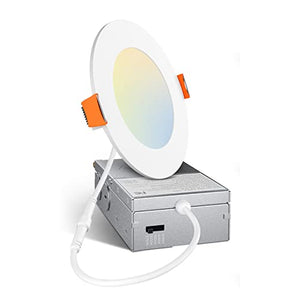
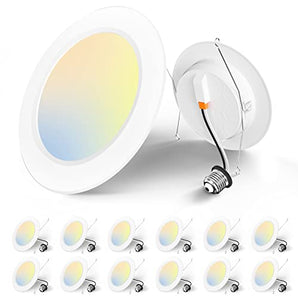
Amico: Positioning itself as a value-driven alternative to premium brands, Amico manufactures recessed lighting with 50,000+ hour ratings backed by ETL and FCC certifications. Their 4-inch canless LED recessed lighting and 6-inch recessed LED lighting collections feature integrated designs with thermal management comparable to higher-priced competitors. Amico backs their fixtures with 2-5 year warranties depending on product type, offering a balanced approach to quality and affordability.
Mid-Tier Brands (35,000-50,000 Hours)
Commercial Electric (Home Depot house brand): These fixtures typically carry 35,000-50,000 hour ratings at accessible price points. Quality varies across product lines, with newer models incorporating better thermal designs than earlier generations. Warranty coverage generally spans 5 years, providing reasonable protection for the investment.
Globe Electric: Offering budget-friendly options with 40,000-hour ratings, Globe Electric provides basic LED recessed solutions for cost-conscious homeowners. Their fixtures lack some of the advanced thermal management found in premium brands but deliver acceptable longevity for typical residential applications. Warranty periods typically range from 1-3 years.
Budget Tier Considerations
Many generic brands available through online marketplaces advertise 50,000-hour lifespans at remarkably low prices. However, these claims often lack independent verification, and the fixtures may use inferior LED chips, inadequate drivers, or poor thermal designs that lead to premature failure. When lifespan ratings aren't backed by recognized certifications or meaningful warranty coverage, treat them with skepticism regardless of what the packaging claims.
What Actually Affects LED Recessed Light Longevity
Understanding the factors that influence LED lifespan helps you make informed choices and maximize the longevity of your fixtures once installed. While rated hours provide a baseline comparison, real-world performance depends on several critical variables.
Heat Management
Heat is the primary enemy of LED longevity. LEDs themselves generate less heat than incandescent bulbs, but they're also more sensitive to elevated temperatures. When LED junction temperatures exceed optimal ranges, the semiconductor materials degrade faster, accelerating lumen depreciation and shortening overall lifespan. Quality fixtures incorporate heat sinks, ventilation designs, and thermal conductive materials that efficiently dissipate heat away from the LED chips.
Installation environment significantly impacts thermal performance. Recessed fixtures installed in insulated ceilings without proper IC (insulation contact) ratings trap heat, creating conditions that reduce lifespan. Enclosed fixtures in bathrooms or closets with poor ventilation similarly create challenging thermal environments. Always verify that fixtures carry appropriate IC ratings for your ceiling type and provide adequate ventilation in enclosed applications.
Driver Quality
The LED driver (the electronic component that regulates power to the LEDs) often fails before the LED chips themselves. Premium drivers incorporate quality capacitors, efficient voltage regulation, and protection circuits that handle power fluctuations without degradation. Budget fixtures frequently use inferior drivers with components that fail within 5-10 years, well short of the LED's potential lifespan. When comparing brands, investigate whether they use name-brand drivers or proprietary designs with proven reliability.
Power Quality and Electrical Environment
Voltage fluctuations, power surges, and electrical noise impact LED driver longevity. Homes with unstable power or frequent surges (common in areas with regular thunderstorms or older electrical infrastructure) create harsher operating conditions for LED drivers. While quality fixtures incorporate surge protection, extreme or repeated events can still cause premature failure. Whole-house surge protection provides an additional layer of defense that extends fixture life.
LED Chip Quality
Not all LED chips are created equal. Premium manufacturers use LED chips from established suppliers (like Cree, Samsung, or Lumileds) with proven reliability and consistent quality control. These chips maintain their light output and color consistency over decades. Budget fixtures often use generic LED chips with higher variance in quality and faster degradation rates. While specifications may look similar initially, the difference becomes apparent after several years of operation.
Warranty Coverage vs. Rated Lifespan: What Matters More
When evaluating LED recessed lighting longevity, the warranty period often reveals more about actual expected performance than the rated lifespan number. A manufacturer willing to back a 50,000-hour rating with a 10-year warranty has confidence in their product's durability. Conversely, a fixture with a 50,000-hour rating but only a 1-year warranty suggests the manufacturer doesn't expect most units to actually achieve that lifespan.
Warranty length reflects real-world failure rates from returned products. Manufacturers analyze warranty claims to understand when and why fixtures fail, then set warranty periods that balance customer protection with acceptable replacement costs. Longer warranties indicate either superior component quality, more rigorous testing, or both. When comparing brands, give significant weight to warranty duration as a proxy for genuine expected longevity.
However, warranty terms matter as much as duration. Some warranties cover only manufacturing defects, excluding failures from normal wear, power surges, or installation issues. Others provide comprehensive coverage with hassle-free replacement processes. Review warranty terms carefully, looking for coverage that includes lumen depreciation (not just complete failure), reasonable claim processes, and clear definitions of what circumstances void protection.
Amico's Lifespan and Value Proposition
Amico positions itself as a value-driven manufacturer offering 50,000+ hour LED recessed lighting backed by ETL and FCC certifications at price points below premium competitors. Their approach targets homeowners and contractors seeking quality fixtures without the markup associated with established premium brands. This strategy delivers genuine value when you understand what you're getting.
Amico's recessed lighting collections feature integrated LED designs where the LED module and trim form a single unit, eliminating failure points associated with separate trim installation. Their fixtures incorporate aluminum heat sinks and thermal management designs that support the 50,000+ hour rating in typical residential applications. Color accuracy reaches CRI 80+, providing good rendering for home environments, while energy efficiency meets current standards for reduced operating costs over the fixture's lifespan.
Warranty coverage spans 2-5 years depending on product line, which sits in the mid-range compared to the market. This warranty period suggests Amico has confidence in their fixtures lasting well beyond the warranty period but prices products to remain accessible rather than including the cost of extended coverage. For homeowners planning to own their homes for 10-15 years or contractors managing project budgets, this balance between initial cost and expected longevity often makes more sense than premium fixtures with 10-year warranties but 40-50% higher prices.
Additional value comes from Amico's comprehensive support infrastructure: free sitewide shipping eliminates add-on costs, a 30-day hassle-free return policy reduces purchase risk, and a wholesale program with volume discounts serves contractors and businesses installing multiple fixtures. This complete package addresses the total cost of ownership beyond just the fixture price, making Amico an attractive option for larger residential projects or multi-unit installations.
How to Maximize Your LED Recessed Lighting Lifespan
Even premium fixtures with 50,000+ hour ratings require proper installation and operating conditions to achieve their potential longevity. These best practices help ensure you get maximum life from your LED recessed lighting investment.
Installation Best Practices
- Use IC-rated fixtures in insulated ceilings: Standard fixtures without insulation contact ratings overheat when surrounded by insulation, dramatically shortening lifespan. Always specify IC-rated models for insulated ceiling applications.
- Provide adequate clearance: Even IC-rated fixtures benefit from some air circulation. When possible, leave several inches of clearance around fixtures rather than packing insulation tightly against them.
- Follow wiring specifications: When installing multiple fixtures, use parallel connections with push-in wire connectors, inserting stripped wire ends into the connector ports until they click. This method provides more reliable connections than traditional alternatives, reducing resistance and heat buildup at connection points.
- Verify compatible dimmers: If using dimmer switches, confirm they're rated for LED loads and compatible with your specific fixtures. Incompatible dimmers cause flickering, buzzing, and premature driver failure.
Operating Conditions
- Install whole-house surge protection: Protecting your electrical system from power surges extends the life of LED drivers and other sensitive electronics throughout your home.
- Ensure adequate ventilation: In enclosed fixtures like shower housings, use fixtures specifically rated for damp or wet locations with sealed designs that manage heat despite limited air circulation.
- Avoid extreme ambient temperatures: While LEDs handle cold well, extremely hot environments (attics, near fireplaces) accelerate degradation. Consider thermal conditions when planning fixture locations.
- Use appropriate controls: Motion sensors and timers that reduce actual operating hours extend fixture life proportionally. Eight hours of daily use versus four hours doubles the calendar lifespan.
Maintenance Considerations
LED recessed fixtures require minimal maintenance, but periodic cleaning supports optimal performance. Dust accumulation on heat sinks and trim rings acts as insulation, reducing thermal efficiency. Gently vacuum fixtures annually or wipe them with a dry cloth to remove dust buildup. For fixtures in kitchens or bathrooms where humidity and airborne particles accumulate more rapidly, increase cleaning frequency to twice yearly.
Signs It's Time to Replace Your LED Fixtures
Even quality LED recessed lights eventually reach the end of their useful life. Recognizing the signs helps you plan replacements before fixtures fail completely, avoiding the inconvenience of sudden darkness in critical areas.
Noticeable dimming: When fixtures have degraded to 70% of original brightness, the difference becomes apparent, especially when comparing older fixtures to newly installed ones. If your recessed lights seem dimmer than you remember and adjusting dimmer settings doesn't restore brightness, lumen depreciation has likely reached the replacement point.
Color shift: LED chips that degrade unevenly can shift color temperature, producing yellower or bluer light than originally. If fixtures that once provided consistent white light now appear noticeably warm or cool compared to other fixtures, the LED chips are degrading.
Flickering or strobing: While occasional flickering might indicate dimmer incompatibility, persistent flickering often signals driver failure. The capacitors and electronic components in LED drivers degrade over time, eventually losing their ability to provide steady power to the LEDs.
Complete failure: If fixtures stop working entirely, start by checking circuit breakers and connections. If power reaches the fixture but it doesn't illuminate, either the driver or LED chips have failed completely. With integrated fixtures, complete failure means replacing the entire unit.
Buzzing or humming: Audible noise from fixtures indicates driver issues, often related to degrading capacitors or incompatible dimming. While not always an immediate failure sign, buzzing suggests the driver is under stress and may fail prematurely.
Choosing LED recessed lighting with genuine longevity requires looking beyond rated hours to consider warranty coverage, component quality, and manufacturer reputation. Premium brands like Cree and Halo deliver proven 50,000+ hour performance with extended warranties, while value-focused manufacturers like Amico provide comparable ratings at more accessible price points with reasonable warranty protection. The key is matching your fixture selection to your specific needs, whether that's maximum longevity regardless of cost or the best balance of performance and value.
Remember that rated lifespan represents potential performance under ideal conditions. Real-world longevity depends equally on proper installation, adequate thermal management, quality electrical conditions, and appropriate operating environments. A premium fixture poorly installed in a challenging environment will underperform a mid-tier fixture properly installed with attention to thermal considerations and electrical quality.
For most residential applications, fixtures from reputable manufacturers with 50,000+ hour ratings, ETL or similar certifications, and warranties spanning 3-5 years or longer will deliver 15-20 years of reliable service. This longevity transforms LED recessed lighting from a consumable product requiring frequent replacement into a long-term infrastructure investment that outlasts multiple repainting cycles and minor renovations. By choosing quality fixtures from trusted brands and installing them properly, you'll enjoy decades of consistent, efficient illumination throughout your home.
Ready to upgrade your home with long-lasting LED recessed lighting? Explore Amico's complete collection of recessed lighting featuring 50,000+ hour ratings, ETL & FCC certifications, and warranties up to 5 years—all backed by free shipping and a 30-day hassle-free return policy. For contractors and bulk purchasers, request a wholesale quote to access volume discounts on fixtures built to last.