You've made the switch to LED lighting — lower energy bills, longer-lasting bulbs, and better light quality across every room. But now you're trying to dim them, and something isn't right. The lights flicker at low levels, hum faintly behind the wall, or simply refuse to dim below 30%. Sound familiar?
Dimming LED lights isn't complicated once you understand the three factors that have to work together: the fixture itself, the dimmer switch, and the driver powering the LED. Get all three aligned, and you'll enjoy smooth, flicker-free dimming from full brightness down to a warm, comfortable glow. Miss one piece of the puzzle, and you end up with frustrating performance issues that are hard to diagnose.
This guide breaks down everything you need to know about how to dim LED lights — from choosing the right dimmer switch and understanding LED drivers, to wiring multiple fixtures in parallel and troubleshooting the most common problems. Whether you're upgrading your living room recessed lighting or outfitting a commercial space, the principles are the same, and we'll walk you through all of it.
Why Dimming LED Lights Actually Matters
Dimming isn't just about setting a mood. It's one of the most practical ways to stretch the value of your lighting investment. Running LEDs at 50–70% brightness can meaningfully reduce energy consumption beyond their already-efficient baseline, and it extends the operational life of the fixture over time. For spaces like bedrooms, dining rooms, home theaters, and hospitality environments, the ability to dial in the right light level transforms how a room feels and functions.
There's also a human health angle worth noting. Bright, cool-toned light in the evening disrupts circadian rhythms, making it harder to wind down before sleep. A properly dimmed LED fixture — especially one with a warm color temperature — signals to your body that the day is ending. That's a benefit you simply can't get from a light that's either fully on or fully off.
How LED Dimming Works: The Science Behind It
Traditional incandescent bulbs dim because reducing voltage literally makes the filament glow less intensely. LEDs work on a fundamentally different principle — they're semiconductor devices that respond to current, not heat. Dimming an LED incorrectly (by simply reducing voltage) causes color shifting, flicker, and premature failure. Proper LED dimming uses one of two techniques:
- PWM (Pulse Width Modulation): The LED is switched on and off at a very high frequency — so fast the human eye perceives it as continuous light at reduced brightness. The lower the duty cycle (the ratio of on-time to off-time), the dimmer the light appears.
- CCR (Constant Current Reduction): Also called analog dimming, this method gradually reduces the current flowing through the LED. It's smoother at very low dim levels and can produce warmer color tones as brightness decreases, similar to an incandescent effect.
Most quality LED dimmer systems use a combination of both methods to deliver wide-range dimming with minimal flicker. Understanding this distinction helps you make sense of why not just any dimmer switch will work with any LED fixture.
Dimmable vs. Non-Dimmable LEDs: Know the Difference
This is the single most common source of LED dimming problems: connecting a non-dimmable fixture to a dimmer switch. Non-dimmable LEDs contain drivers designed to deliver a fixed, stable current. When you place one on a dimmer circuit, that driver fights the fluctuating signal — causing humming, flickering, overheating, or outright failure. Some non-dimmable LEDs will simply stay at full brightness regardless of the switch position; others behave erratically.
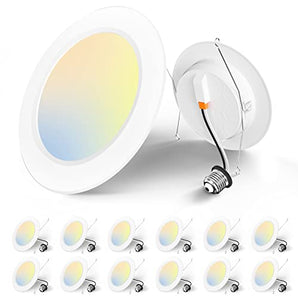
Always check the product specifications before purchasing. Dimmable LED fixtures will explicitly state dimming compatibility and often list recommended dimmer brands or models. Amico's recessed lighting lineup, for example, is designed with dimming compatibility built in — making it straightforward to integrate with compatible switches. If you're not sure whether a fixture is dimmable, assume it isn't and verify before installation.
Types of Dimmer Switches for LED Lights
Not all dimmer switches are created equal, and the type of dimmer you choose directly affects how well your LEDs perform across their full brightness range. Here are the main categories:
Trailing Edge Dimmers (Leading Edge vs. Trailing Edge)
Trailing edge dimmers are the recommended choice for LED lighting. They cut power at the trailing end of each AC wave cycle, which is gentler on the LED driver's internal electronics. The result is smoother dimming, less heat generation, and a wider usable dim range. Leading edge dimmers (sometimes called TRIAC dimmers) were designed for incandescent and halogen loads. While some LEDs are compatible with leading edge dimmers, performance at the low end of the dimming range is often poor — lights may flicker or drop out entirely below 20–30%.
0–10V Dimmers
Common in commercial and industrial settings, 0–10V dimming uses a low-voltage control signal (ranging from 0 to 10 volts) sent from the dimmer to a compatible LED driver. At 10V, the fixture typically runs at full output. At 0V, it usually dims to the driver's minimum level, and some systems may turn off depending on the driver and wiring design. This method offers precise, flicker-free control over large numbers of fixtures and is widely used with LED flat panel lights and high bay lights in commercial environments. It requires fixtures with 0–10V compatible drivers and a separate control circuit.
Smart and Wireless Dimmers
Smart dimmers connect to your home's Wi-Fi or a dedicated smart home hub, enabling app control, voice commands, scheduling, and scene-setting. Brands like Lutron Caséta and Leviton Decora Smart are popular choices. The key requirement is the same as with any other dimmer: the smart switch must be rated for LED loads and compatible with the specific fixtures you're using. Always verify the compatibility list provided by the dimmer manufacturer before purchasing.
LED Drivers Explained: Constant Current vs. Constant Voltage
The LED driver is the component that converts your home's AC power into the stable DC current that LEDs require. It also acts as the interface between the dimmer switch and the LED module itself. Understanding driver types helps you match the right components.
Constant current drivers maintain a fixed output current (measured in milliamps) while allowing the voltage to vary. These are used in most integrated LED fixtures, including recessed downlights and panel lights. They're well-suited to dimming because controlling current is the most direct way to reduce LED brightness. Constant voltage drivers deliver a fixed output voltage (typically 12V or 24V DC) and are used in LED strip lights and some architectural lighting applications. Dimming constant voltage systems usually requires a PWM controller placed between the driver and the LEDs.
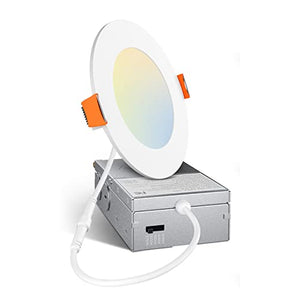
For the vast majority of residential dimming projects — whether you're working with 4-inch canless recessed lights or 6-inch recessed LED fixtures — you'll be dealing with integrated constant current drivers, and the main variable is simply choosing a compatible dimmer switch.
LED Dimmer Compatibility: What to Check Before You Buy
Compatibility issues are the root cause of nearly every LED dimming complaint. Before purchasing a dimmer switch, run through this checklist:
- Check the fixture's dimming spec: The product listing or spec sheet should state that the fixture is dimmable and ideally list compatible dimmer models or brands.
- Match the dimmer's load type: Confirm the dimmer is rated for LED/CFL loads, not just incandescent. This is usually indicated on the packaging or in the product description.
- Check the minimum load rating: LED fixtures draw much less wattage than incandescent bulbs. Some older dimmers require a minimum load (e.g., 40W) to function properly — a circuit with only a few LED fixtures may fall below that threshold, causing flickering.
- Verify the maximum load: Don't overload the dimmer. Add up the total wattage of all fixtures on the circuit and confirm it stays well within the dimmer's rated maximum.
- Single-pole vs. 3-way: If you're controlling lights from two switch locations, you need a 3-way dimmer setup with compatible auxiliary switches.
- Neutral wire requirement: Many modern smart dimmers require a neutral wire in the switch box. Older homes may not have one — check before purchasing a smart dimmer.
Taking ten minutes to verify compatibility before purchasing saves hours of troubleshooting after installation. Dimmer manufacturers like Lutron and Leviton maintain online compatibility tools that let you enter your fixture model and see a list of tested, compatible switches.
How to Wire Dimmable LED Recessed Lights
Wiring multiple dimmable LED fixtures on a single dimmer switch is a straightforward process as long as you follow safe practices and use quality connection hardware. Here is a step-by-step overview:
- Turn off the circuit breaker – Before touching any wiring, switch off the breaker controlling the circuit you're working on and verify there is no voltage present using a non-contact voltage tester.
- Plan your parallel connections – Multiple LED fixtures should always be wired in parallel. In a parallel connection, each fixture receives the full line voltage independently, and the failure of one fixture does not affect the others. Run your hot (black), neutral (white), and ground (green or bare copper) conductors to each fixture junction box.
- Strip the wire ends – Use wire strippers to remove approximately 3/4 inch of insulation from each conductor end at every connection point.
- Connect using Push-in Wire Connectors – Insert the stripped wire ends into the appropriate ports of a Push-in Wire Connector until each wire clicks securely into place. No twisting is required. This method creates a reliable, code-compliant connection at every parallel junction and is more consistent than traditional alternatives.
- Install the dimmer switch – Follow the dimmer manufacturer's wiring diagram. Connect the line (hot from the panel), load (hot to the fixtures), neutral (if required), and ground wires as specified. Push-in Wire Connectors work equally well at the switch box for any wire joins needed there.
- Test before closing up – Restore power and test the full dimming range before installing covers or completing ceiling work. Verify smooth operation from maximum brightness down to the low end without flicker or dropout.
Amico's ETL and FCC certified LED fixtures are engineered to simplify installation. The retrofit fixtures, for instance, are integrated units where the LED module and trim are built as a single piece — there are no separate components to assemble, which reduces installation time and potential wiring errors.
Common LED Dimming Problems and How to Fix Them
Even with the right components, dimming issues occasionally arise. Here are the most frequently encountered problems and their likely causes:
- Flickering at low dim levels: Usually caused by dimmer incompatibility or a circuit load that's too low for the dimmer's minimum requirement. Try a different LED-rated dimmer or add a dummy load resistor to bring the circuit wattage up.
- Lights won't dim below 30%: The dimmer and driver have overlapping low-end cutoffs. Check if the fixture's driver has a settable minimum trim and adjust it, or switch to a trailing-edge dimmer with a wider operating range.
- Audible buzzing or humming: PWM frequencies in the audible range can cause this, especially with cheaper dimmers. Upgrading to a higher-quality LED-compatible dimmer typically resolves it.
- Lights pop on suddenly instead of fading: The dimmer's low-end setting may need adjustment. Most quality dimmers have a small trim screw or digital setting that raises or lowers the minimum brightness threshold.
- Color shift when dimming: Some LEDs shift toward a cooler or greener tone at low brightness due to driver behavior. Fixtures with a warm-dim feature intentionally replicate the amber shift of incandescent bulbs — look for this feature if color consistency across the dim range is important to you.
Tips for Getting the Best Dimming Performance
A few practical habits make a significant difference in long-term dimming performance. First, stay within a single product family when possible — mixing fixtures from different manufacturers on one dimmer circuit increases the chance of incompatibility. Second, always set the dimmer's high-end and low-end trim settings after installation. Most dimmers ship with default trim settings that aren't optimized for LED loads, and a quick adjustment often eliminates flickering at the low end.
Third, don't exceed 80% of the dimmer's rated maximum load. Keeping headroom in the load calculation reduces heat buildup in the switch and extends its service life. Finally, if you're outfitting a space where dimming performance is critical — a restaurant, retail showroom, or home theater — invest in a dimmer from a brand that publishes detailed LED compatibility lists and offers technical support. The modest price difference between budget and quality dimmers is far less than the cost of revisiting an installation.
For spaces requiring versatile, adjustable illumination, consider Amico's gimbal recessed lights, which combine directional aiming with dimming capability — ideal for accent lighting over artwork, kitchen islands, or retail displays. And for larger commercial or industrial projects involving industrial lighting, 0–10V dimming systems paired with compatible drivers offer the control precision and scalability that those environments demand.
Bringing It All Together
Dimming LED lights successfully comes down to three things working in harmony: a dimmable fixture, a compatible dimmer switch, and the right driver. When all three are matched correctly — and your fixtures are wired in parallel with quality Push-in Wire Connectors — you get smooth, reliable dimming performance with no flicker, no hum, and no headaches. The good news is that with a little upfront research, it's entirely achievable for both DIY homeowners and professional installers.
Amico's LED fixtures are built with dimming compatibility in mind, offering CRI 80+ color accuracy and a rated lifespan of 50,000+ hours across a wide product range — from canless recessed downlights to commercial-grade flat panels and high bays. Whether you're refreshing a single room or planning a full building fit-out, the right combination of quality fixtures and compatible controls makes all the difference.
Outfitting a Larger Project?
If you're a contractor, facility manager, or business owner planning a multi-fixture installation, Amico's bulk sales program offers tiered volume discounts with free sitewide shipping. Get a personalized quote for your project today.
Request a Wholesale Quote