Table Of Contents
- Understanding Color Temperature in LED Lighting
- 2700K: The Traditional Warm White
- 3000K: The Crisp Warm White
- Key Differences Between 2700K and 3000K
- Room-by-Room Color Temperature Guide
- Which Color Temperature Should You Choose?
- Can You Mix Color Temperatures in Your Home?
- Choosing the Right Amico LED Fixtures
Walk into any lighting showroom or browse LED bulbs online, and you'll quickly encounter a confusing array of numbers followed by the letter "K." These Kelvin ratings determine the color temperature of your lights, and the difference between 2700K and 3000K might seem subtle on paper but can dramatically transform how your space looks and feels.
Both 2700K and 3000K fall into the "warm white" category, making them popular choices for residential lighting. However, each creates a distinctly different atmosphere. The 300-degree Kelvin difference translates to a noticeable shift in ambiance—one leans toward the cozy glow of traditional incandescent bulbs, while the other offers a cleaner, more modern warmth that enhances colors without feeling cold.
Whether you're upgrading to energy-efficient recessed lighting throughout your home, installing flat panel lights in your office, or simply replacing outdated fixtures, understanding the practical differences between these two color temperatures will help you create the perfect lighting environment for every room. In this guide, we'll break down exactly what each temperature looks like, where each works best, and how to make the right choice for your specific needs.
Understanding Color Temperature in LED Lighting
Color temperature measures the appearance of light emitted by a source, rated in degrees Kelvin (K). Contrary to what the term suggests, lower Kelvin numbers actually produce warmer-looking light with yellow and orange tones, while higher numbers create cooler light with blue undertones. This scale helps standardize how we describe and select lighting, giving you consistent results regardless of manufacturer.
The Kelvin scale for residential and commercial lighting typically ranges from 2200K (resembling candlelight) to 6500K (mimicking bright daylight). The 2700K to 3000K range sits comfortably in the warm white zone, which is why both are frequently used in homes, restaurants, hotels, and retail spaces where ambiance matters. Understanding where each falls on this spectrum helps explain their visual characteristics and best applications.
Modern LED technology has made color temperature selection more important than ever. Unlike incandescent bulbs that only produced light around 2700K, LEDs can be manufactured to emit any color temperature with precision. Quality LED fixtures from manufacturers like Amico maintain consistent color temperature throughout their 50,000+ hour lifespan, ensuring your carefully chosen ambiance doesn't shift over time. When paired with a CRI 80+ rating, these LEDs reproduce colors accurately while maintaining the warmth you select.
2700K: The Traditional Warm White
The 2700K color temperature produces what most people recognize as classic warm white light. This is the color of traditional incandescent bulbs that illuminated homes for over a century, creating that familiar amber-tinged glow that feels inherently cozy and inviting. When you turn on 2700K LEDs, you'll notice the light has a distinctly yellow cast that softens facial features, warms wood tones, and creates an intimate atmosphere.
This color temperature excels at making spaces feel relaxing and comfortable. The warm yellow tones trigger psychological associations with sunset, candlelight, and hearth fires—all naturally calming light sources. For this reason, 2700K lighting works beautifully in residential settings where you want people to unwind. Bedrooms bathed in 2700K light feel like sanctuaries, living rooms become more inviting, and dining areas take on an elegant, restaurant-quality ambiance.
However, 2700K does have limitations. The strong yellow cast can slightly distort color perception, making whites appear cream-colored and cool tones look muddy. This isn't necessarily negative in living spaces, but it becomes problematic in areas where color accuracy matters. Tasks requiring visual precision, such as applying makeup, selecting clothing, or detailed craftwork, can be more challenging under 2700K lighting. The warmer the light, the more it shifts color perception toward the yellow-orange spectrum.
Best Applications for 2700K
- Bedrooms: Creates a peaceful environment conducive to relaxation and sleep preparation
- Living rooms: Establishes a welcoming, comfortable atmosphere for family gatherings
- Dining rooms: Mimics restaurant lighting that makes food and guests look their best
- Hallways and entryways: Provides a warm welcome that makes homes feel inviting
- Table lamps and accent lighting: Delivers the cozy glow people expect from traditional lighting
3000K: The Crisp Warm White
Step up 300 degrees on the Kelvin scale to 3000K, and you'll discover a noticeably different quality of light. While still firmly in the warm white category, 3000K produces a cleaner, brighter appearance with less yellow saturation. Think of it as warm light that's been polished—it retains friendliness and approachability but adds clarity and crispness that 2700K lacks. This makes 3000K incredibly versatile for both residential and commercial applications.
The 3000K color temperature strikes an impressive balance between warmth and functionality. It provides enough warmth to avoid the sterile feeling of cooler lights while offering sufficient neutrality for accurate color rendering. When you install 3000K 6-inch recessed LED lighting in your kitchen, you'll notice that white cabinets actually look white rather than cream, granite countertops show their true colors, and food preparation becomes easier with better visibility.
This color temperature has gained significant popularity in modern home design and commercial spaces. It complements contemporary aesthetics beautifully while maintaining enough warmth to feel welcoming. Architects and designers frequently specify 3000K for open-concept homes where kitchen, dining, and living areas flow together, as it provides visual consistency across different functional zones without sacrificing ambiance in social spaces or clarity in work areas.
Best Applications for 3000K
- Kitchens: Balances warmth with the visibility needed for food preparation and cooking
- Bathrooms: Provides accurate color rendering for grooming tasks while remaining flattering
- Home offices: Delivers clarity for detailed work without the harshness of cooler temperatures
- Retail spaces: Displays merchandise accurately while maintaining a welcoming shopping environment
- Basements and multi-purpose rooms: Offers brightness and versatility for varied activities
- Modern open-concept spaces: Creates cohesive lighting across connected areas with different functions
Key Differences Between 2700K and 3000K
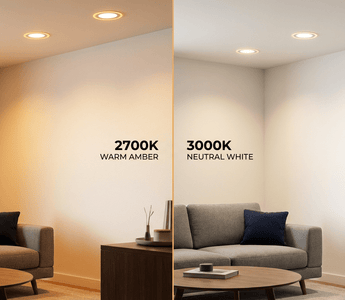
While both color temperatures fall under the warm white umbrella, their practical differences become apparent when you compare them side by side. The visual distinction might seem minor in isolation, but place a 2700K fixture next to a 3000K one, and the contrast is immediately obvious. The 2700K light appears distinctly amber or golden, while the 3000K looks noticeably whiter with just a hint of warmth.
Color rendering represents one of the most significant functional differences. Under 2700K lighting, cool colors (blues, greens, purples) lose some vibrancy and appear slightly muted, while warm colors (reds, oranges, yellows) become enhanced. The 3000K temperature provides more balanced color rendering across the spectrum, making it preferable when accurate color perception matters. This explains why 3000K is standard in retail clothing stores, art galleries, and professional makeup studios.
Perceived brightness also differs between these temperatures, even when fixtures produce identical lumen output. The 3000K light appears brighter and more energizing because human eyes perceive whiter light as more intense than amber-tinted light. In practical terms, this means you might need slightly higher lumen output from 2700K fixtures to achieve the same perceived brightness as 3000K fixtures in task-oriented spaces.
Psychological effects vary subtly but meaningfully. The 2700K temperature triggers stronger relaxation responses, making it ideal for winding down in the evening. The 3000K temperature maintains alertness better while still feeling comfortable, making it suitable for daytime activities and spaces where you need to remain focused. Neither temperature approaches the alertness-promoting effects of daylight-balanced lights (5000K+), but 3000K provides noticeably more visual stimulation than 2700K.
Quick Comparison Table
| Characteristic | 2700K | 3000K |
|---|---|---|
| Visual Appearance | Amber/golden glow | Clean warm white |
| Color Accuracy | Moderate (warm bias) | Good (balanced) |
| Atmosphere | Cozy, traditional, intimate | Welcoming, clean, modern |
| Best For | Relaxation spaces | Multi-purpose areas |
| Perceived Brightness | Softer, dimmer feel | Brighter, crisper feel |
Room-by-Room Color Temperature Guide
Selecting the right color temperature becomes easier when you consider each room's primary function and the mood you want to create. While personal preference ultimately matters most, these room-by-room recommendations reflect industry best practices and how most people use their spaces throughout the day.
Kitchen
Recommended: 3000K – Kitchens demand functional lighting for meal preparation, cooking, and cleanup. The 3000K temperature provides the clarity needed to see what you're chopping, read recipes accurately, and notice when food reaches the right color during cooking. When installing 4-inch canless LED recessed lighting over countertops and islands, 3000K delivers excellent task lighting while maintaining warmth during family meals and entertaining. The cleaner light also makes white cabinets and light countertops look their best.
Bathroom
Recommended: 3000K – Bathrooms serve multiple functions, from quick morning routines to relaxing evening baths. The 3000K temperature works best because it provides accurate color rendering for grooming tasks like applying makeup, shaving, or selecting coordinated outfits, while still feeling warm enough for a relaxing bath. If you have a master bathroom with separate zones, consider 3000K for the vanity area and 2700K for ambient lighting near the tub to create a spa-like atmosphere.
Living Room
Recommended: 2700K – Living rooms prioritize comfort and relaxation, making 2700K the ideal choice for most homes. This color temperature creates the cozy, inviting atmosphere perfect for movie nights, reading, conversation, and unwinding after work. The warm amber glow flatters skin tones, makes furniture and décor look rich, and establishes the welcoming environment you want in your primary gathering space. Layer your lighting with recessed lighting for general illumination and table lamps for task and accent lighting.
Bedroom
Recommended: 2700K – Bedrooms should promote relaxation and prepare your body for sleep. The 2700K temperature supports this goal by providing warm, low-stimulation lighting that helps trigger your body's natural wind-down response. This color temperature makes bedrooms feel like peaceful retreats from the outside world. Avoid cooler temperatures in bedrooms, as they can interfere with melatonin production and make falling asleep more difficult.
Dining Room
Recommended: 2700K – Whether you're hosting dinner parties or enjoying family meals, 2700K lighting creates the intimate, restaurant-quality ambiance that makes dining feel special. This warm light flatters guests, makes food look appetizing, and encourages lingering conversation. Install dimmable fixtures to adjust brightness throughout the meal, from brighter light during serving to softer illumination during dessert and coffee.
Home Office
Recommended: 3000K – Home offices require lighting that supports productivity, focus, and visual comfort during extended work sessions. The 3000K temperature provides sufficient brightness and clarity for reading documents, viewing computer screens, and detailed tasks without the harshness of daylight-balanced bulbs. If you work primarily with color-critical materials (graphic design, photo editing, product photography), consider moving up to 3500K or 4000K for even more accurate color rendering.
Basement and Garage
Recommended: 3000K – These multi-purpose spaces often handle everything from storage to workshops to recreational areas. The 3000K temperature provides good visibility for projects and tasks while maintaining enough warmth to feel comfortable. For dedicated workshop areas or garages where detailed work happens, consider high bay lights in 4000K for maximum clarity, or stick with 3000K for spaces that also serve as game rooms or guest areas.
Which Color Temperature Should You Choose?
Making the final decision between 2700K and 3000K comes down to evaluating your specific needs, design preferences, and how you use your spaces. Start by identifying your priorities—does the room primarily serve a functional purpose requiring visual clarity, or is it mainly for relaxation and ambiance? Your answer points you toward the appropriate color temperature.
Choose 2700K if: You want to replicate the traditional incandescent lighting you grew up with, prioritize creating cozy and intimate atmospheres, have a home with classic or traditional design elements, or are lighting spaces dedicated to relaxation and socializing. The 2700K temperature works especially well in homes with warm color schemes featuring browns, reds, oranges, and yellows, as it enhances these existing tones. It's the safe choice for residential applications where comfort matters more than task performance.
Choose 3000K if: You prefer a cleaner, more modern aesthetic, need better color accuracy for tasks and hobbies, want lighting that works across multiple functions in the same space, or have contemporary design with neutral or cool color palettes. The 3000K temperature excels in open-concept homes where consistent lighting across connected spaces creates visual harmony. It's also the better choice for commercial applications, retail environments, and professional spaces where you want warmth without sacrificing functionality.
Don't underestimate the value of testing before committing to whole-house installations. Purchase a couple of fixtures in each color temperature and live with them for a week. Notice how each affects your mood, how they make your furnishings and finishes look, and which feels more comfortable during different times of day. This hands-on experience provides clarity that specifications alone cannot offer.
Can You Mix Color Temperatures in Your Home?
Many homeowners wonder if mixing 2700K and 3000K throughout their home creates a disjointed or unprofessional appearance. The short answer is that strategic mixing is not only acceptable but often desirable for optimizing each space's lighting. However, it requires thoughtful planning to avoid jarring transitions and maintain visual cohesion.
The key to successfully mixing color temperatures is maintaining consistency within visible sight lines. When you can see multiple rooms simultaneously, such as in open-concept layouts where kitchen, dining, and living areas flow together, stick with a single color temperature across that entire zone. Visual continuity matters more when spaces connect directly. Conversely, rooms separated by doors and hallways can use different temperatures without creating discord.
A common and effective approach uses 3000K in functional areas like kitchens, bathrooms, laundry rooms, and home offices, while implementing 2700K in relaxation zones like bedrooms, living rooms, and dining rooms. This strategy gives you optimal lighting for each room's purpose without compromising aesthetics. The transitions between temperatures occur at natural boundaries (doorways and halls), making the shifts feel intentional rather than accidental.
Within a single room, avoid mixing color temperatures in the same lighting layer. If your kitchen uses 3000K recessed lighting for general illumination, any under-cabinet task lighting should also be 3000K. However, you could add 2700K pendant lights over a kitchen island or breakfast nook to create a warmer zone for casual dining, as long as you can dim or separately control these fixtures. Layered lighting with different purposes and control options gives you flexibility to adjust the color temperature mix based on the time of day and activity.
Choosing the Right Amico LED Fixtures
Once you've determined which color temperature best suits each space, selecting quality LED fixtures ensures your lighting performs as expected for years to come. Amico offers a comprehensive range of energy-efficient LED lighting solutions available in both 2700K and 3000K color temperatures, backed by ETL and FCC certifications for safety and quality assurance.
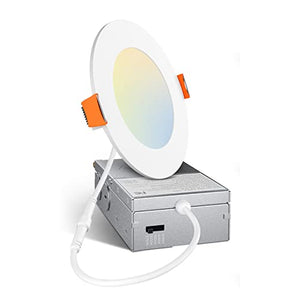
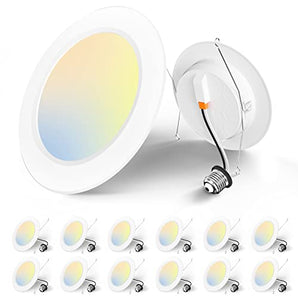
For whole-home lighting projects, Amico's recessed lighting collection provides versatile options for every room. The 4-inch canless LED recessed lighting installs directly into ceilings without requiring separate housings, making retrofits faster and more affordable. These integrated units feature built-in LED modules and trim as one piece, simplifying installation while delivering 50,000+ hours of reliable performance. For larger rooms or higher ceilings, the 6-inch recessed LED lighting provides greater light output in the same streamlined package.
When multiple fixtures need to be connected, Amico's LED systems use parallel wiring connections with push-in wire connectors. Simply insert stripped wire ends into the connector ports until they click—no twisting required. This connection method proves more reliable than traditional alternatives and speeds up installation significantly, particularly valuable for contractors and professionals handling large projects. The push-in design also ensures secure connections that maintain performance throughout the fixture's lifespan.
Beyond recessed lighting, Amico's flat panel lights offer sleek, modern illumination for offices, kitchens, and commercial spaces, while ceiling fan lights combine air circulation with efficient lighting in bedrooms and living areas. For industrial and commercial applications, high bay lights and industrial lighting deliver powerful illumination in 3000K color temperatures optimized for work environments.
Every Amico LED fixture features CRI 80+ color rendering for accurate color reproduction within your chosen color temperature. Combined with the 50,000+ hour lifespan, this ensures your spaces maintain consistent appearance and ambiance year after year. Whether you select 2700K for cozy residential warmth or 3000K for clean, versatile lighting, Amico's fixtures deliver the quality and performance to bring your vision to life.
For contractors, builders, and businesses planning larger installations, Amico's bulk sales program offers tiered volume discounts that make quality LED lighting more accessible. With free sitewide shipping, a 30-day hassle-free return policy, and warranties ranging from 2 to 5 years depending on the product line, Amico stands behind every fixture they manufacture.
The choice between 2700K and 3000K color temperature fundamentally shapes how your spaces look and feel. While both qualify as warm white LED lighting, they create distinctly different environments—2700K delivers the cozy, amber glow of traditional incandescent bulbs perfect for relaxation spaces, while 3000K provides cleaner, more versatile lighting that balances warmth with functionality for kitchens, bathrooms, and work areas.
Rather than viewing this as a binary choice for your entire home, consider each room's primary purpose and select accordingly. Use 2700K where comfort and ambiance matter most, and choose 3000K where you need clarity, color accuracy, or lighting that adapts to multiple activities. The 300-degree Kelvin difference might seem minor on paper, but it creates meaningful changes in how you experience your spaces every day.
Quality matters as much as color temperature when investing in LED lighting. Fixtures that maintain consistent color output throughout their lifespan, render colors accurately with CRI 80+ ratings, and install quickly with reliable connections will serve you well for decades. Whether you're upgrading a single room or completing a whole-house lighting project, choosing the right color temperature paired with quality fixtures creates lighting environments that enhance your daily life.
Need Help Selecting the Right Color Temperature for Your Project?
Whether you're a homeowner planning a lighting upgrade or a contractor managing multiple installations, Amico's team can help you choose the perfect color temperature and fixtures for your specific needs. Our bulk sales program offers competitive tiered pricing for larger projects, backed by ETL and FCC certifications, comprehensive warranties, and free shipping.